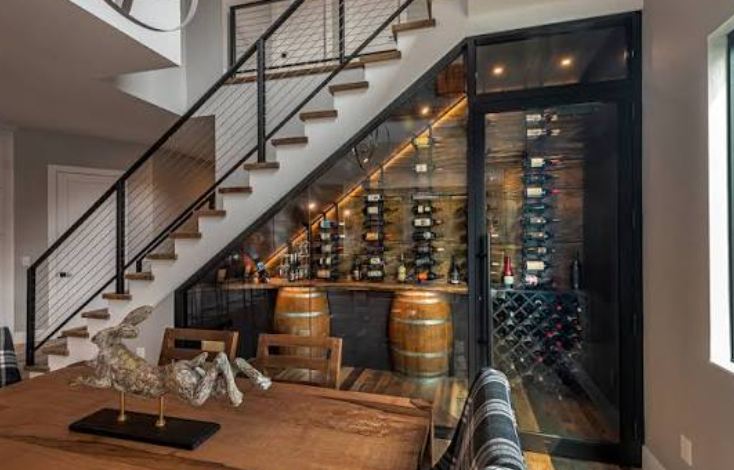
For pubs, restaurants, breweries and other businesses in Cardiff, choosing the right cellar cooling system can help maintain the ideal environment for storing beer and wine. Providers such as Green Cool offer cellar cooling solutions for a range of commercial settings, but the right system will depend on the space and its requirements. So, what should you look for when choosing one?
How Your Cellar’s Size and Environment Affect Cooling Requirements
Every cellar has different cooling requirements. Its size is an obvious consideration, but the surrounding environment can be just as important. A cellar that is well insulated and naturally cool will place different demands on a cooling system compared with one surrounded by warm areas.
Before choosing equipment, consider:
- The overall size and layout of the cellar
- The quality of the insulation
- How often doors are opened
- The temperature of surrounding rooms
- The amount of stock being stored
- Existing ventilation
- Any heat-producing equipment nearby
For example, a busy Cardiff pub may have people accessing the cellar throughout the day, allowing warm air to enter regularly. A smaller storage area with limited access may have much lower cooling demands.
Looking at the whole environment helps an engineer understand how much cooling is actually required and which type of system would be suitable.
Why Consistent Temperature Matters for Cellar Cooling
Cellar cooling is about maintaining a stable temperature rather than simply making the room cold. Beer and wine can both benefit from being stored in consistent conditions, while sudden temperature changes may be particularly undesirable for wine intended for longer-term storage.
An appropriate environment can help:
- Keep beverages within their recommended storage conditions
- Reduce the risk of temperature fluctuations
- Protect wine from unsuitable heat
- Create more stable conditions for stored stock
- Reduce the likelihood of spoilage caused by excessive temperatures
Humidity is another factor worth considering. Too much moisture can contribute to condensation and mould, while unsuitable humidity can affect labels, packaging and the condition of the cellar.
The ideal environment will depend on what is being stored, so temperature and humidity requirements should be considered when specifying the cooling solution.
Choosing a Cellar Cooling System with the Right Capacity
The capacity of a cellar cooling system needs to match the demands of the space. An undersized unit may struggle to maintain the required temperature, especially during warmer weather or periods when the cellar is frequently accessed.
A system that is substantially larger than necessary is not automatically a better choice. It may use more energy than required and can be less efficient for the application.
An engineer can assess factors such as:
- Cellar dimensions
- Insulation levels
- Ambient temperature
- Stock levels
- Frequency of access
- Heat entering from surrounding areas
- Required operating temperature
This information can be used to determine an appropriate specification, helping the cellar cooler operate efficiently without being unnecessarily overworked.
Marstair and J&E Hall: What to Consider When Choosing Equipment
The manufacturer and equipment range are also worth considering when looking at commercial cellar cooling systems. Marstair and J&E Hall are examples of established names in refrigeration, with equipment available for different commercial applications.
However, choosing a recognised manufacturer does not automatically mean a particular unit will be right for your cellar. The equipment still needs to suit the application.
Consider:
- The cooling capacity of the unit
- Its intended operating environment
- Energy efficiency
- Availability of replacement parts
- Servicing requirements
- Expected reliability
- Compatibility with the proposed installation
A qualified engineer can help compare suitable cellar cooling units based on the actual requirements of the business rather than selecting equipment on brand name alone.
How Cellar Cooler Placement Can Affect Performance
Where cooling equipment is positioned can influence how effectively it operates. The surrounding area needs to provide enough space and airflow for the system to work efficiently.
The location should allow:
- Adequate airflow around the equipment
- Heat to be discharged effectively
- Reasonable access for maintenance
- Practical routes for pipework
- Safe access for future repairs
This can be particularly important in older Cardiff properties, where cellars may have restricted access, unusual layouts or limited ventilation.
The condenser also needs suitable conditions to release heat. Placing equipment in a confined or poorly ventilated area can make the system work harder and may affect its efficiency.
Choosing Between an Indoor Unit and Outdoor Unit
Cellar cooling systems can use different configurations depending on the building. Some systems are self-contained, while others use separate indoor and outdoor components.
With a split arrangement:
- The indoor unit delivers cooled air into the cellar.
- The outdoor unit houses components responsible for releasing heat.
- Refrigerant travels between the components through connecting pipework.
- The separate arrangement can provide greater flexibility where cellar space is limited.
A ducted system may also be suitable for certain buildings where a conventional installation is difficult.
The distance between the indoor and outdoor unit, available space and pipe routing all need to be considered before installation. The most appropriate configuration will depend on the individual property.
What Makes a Reliable Cellar Cooling System for a Pub or Business?
Reliability becomes particularly important when cooling is being used commercially. A pub, restaurant, brewery or wine business may have a substantial amount of stock stored in its cellar, making an unexpected failure more than an inconvenience.
A robust cellar cooler should be able to cope with the demands of its operating environment and provide dependable performance over time.
For a commercial business, reliability can help reduce the risk of:
- Stock spoilage
- Unexpected downtime
- Emergency repair costs
- Disruption to daily operations
- Losses associated with damaged perishable goods
This is why it can be worth looking beyond the initial purchase price. A reliable system that operates efficiently and is supported by accessible servicing can offer better long-term value.
Protecting Perishable Beer and Wine with Consistent Temperatures
What you store in the cellar should influence the cooling solution. A business storing beer and wine may have different requirements from one using its cellar for other beverages or perishable goods.
Maintaining suitable conditions can help preserve stock by providing:
- Stable temperatures
- A controlled storage environment
- Protection from excessive heat
- More predictable conditions throughout the year
Wine cellars can be particularly sensitive to unsuitable conditions, especially where bottles are being stored for an extended period. Commercial businesses also need to consider the financial value of their stock and the potential consequences of spoilage.
For a brewery or pub with a high volume of beer and wine, dependable cooling can therefore be an important part of protecting inventory.
Why Regular Maintenance and Service Matter for Cellar Cooling
Installing a quality cellar cooling system is only part of keeping it working properly. Regular maintenance can help identify developing issues and keep the equipment operating efficiently.
Depending on the system, a service may include:
- Checking the evaporator and condenser
- Cleaning or replacing filters
- Inspecting pipework
- Checking refrigerant levels
- Assessing airflow
- Looking for signs of wear or damage
- Checking that the system is maintaining the required temperature
Regular maintenance can also help extend the working life of cooling units and reduce the likelihood of an unexpected breakdown.
For businesses, avoiding unnecessary downtime is particularly important when the cellar contains valuable or perishable stock.
See also: Why Bookkeeping Is the Backbone of Business Success in 2025
Finding a Cellar Cooling Solution That Offers Long-Term Value
The right cellar cooling system should be chosen around the needs of the space, the products being stored, and the demands placed on the equipment. For Cardiff businesses, taking the time to get the specification and installation right can make a noticeable difference to long-term performance.
When comparing your options, consider:
- Whether the unit can maintain consistent temperatures
- How efficiently it operates
- Whether the system is suitable for your cellar layout
- The availability of maintenance and repair services
- The expected reliability and lifespan of the equipment
- The overall cost of installation and ongoing operation
A well-specified and professionally installed system can help protect beer and wine, minimise the risk of spoilage and provide dependable cooling without unnecessary disruption to your business.